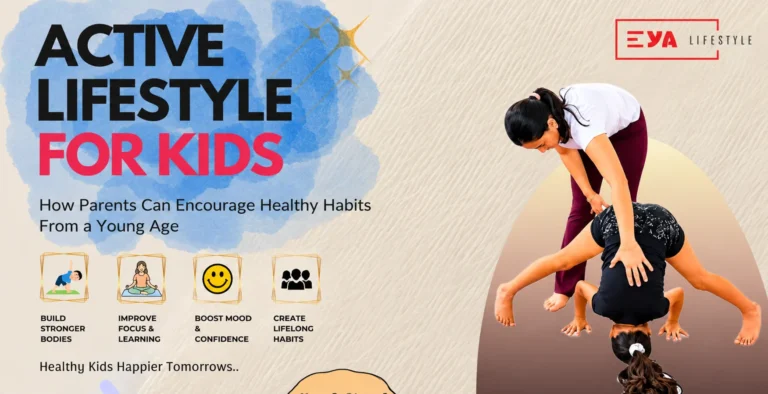
The concept of maintaining an active lifestyle for kids doesn’t typically begin with a discussion of exercise. It usually starts much earlier, with what kids see their parents doing every day.
Kids notice when parents take the stairs, move around, join in something active, or make fitness a part of the day. They might not listen to everything you say, but they copy habits without even realising it.
That’s why parents need to build healthy habits in their kids. You don’t want to make a six-year-old obsessed with a workout. You’re just helping movement feel normal, fun, and something worth making time for.
At EYA Lifestyle, Kids Training in Noida works the same way. Kids get introduced to guided movement early so fitness grows with them instead of becoming something they only discover later as adults.
Role of Parents in Helping Kids Stay Active and Healthy
Kids feel movement long before they understand words like “fitness,” “stamina,” or “wellness.” They pick up on whether activity gets celebrated, avoided, enjoyed, or treated like a chore.
Parents don’t have to be athletes to support an active lifestyle for kids. Walking together, joining family activities, supporting outdoor play, or taking care of their own health can create a home where movement fits naturally.
The type of home kids have can really shape their receptiveness to physical activity, sports, and organised fitness later in childhood.
How Parents Can Encourage Healthy Movement Habits
The best way to build healthy habits in children is to let them see you do it every day, rather than giving lots of reminders. Some consistent changes and movement are easier to accept and enjoy.
1. Let Them See You Move
Kids get the value of activity better when they see adults doing it too. A walk, a yoga session or a regular workout shows fitness isn’t just for children. This is where mother-child fitness can really work: movement becomes shared time instead of another instruction.
2. Make Movement Part of the Routine
Workout time doesn’t always have to be a dedicated hour. Walking, cycling, outdoor play, stretching, or structured kids’ fitness can all fit into an active routine.
When movement becomes regular during the week, it feels like a normal part of life instead of something special.
3. Choose Activities They Actually Enjoy
Not all children enjoy the same type of physical activity. Some go for fast movement, others prefer balance, skills, or bodyweight challenges.
At EYA Lifestyle, Movement and Wellness Centre in Noida, kids can try different movement formats instead of getting pushed into one activity just because adults think it’s good exercise.
4. Focus on Skills, Not Appearance
Kids shouldn’t learn that fitness is mostly about body weight or looks. Point them toward what their bodies can learn:
- Better balance
- More stamina
- Improved coordination
- Greater strength
- New movement skills
- More confidence during activity
This builds a healthier relationship with exercise for children and keeps the focus on what they can do.
5. Move Together Sometimes
A child doesn’t always need another instruction, sometimes they just need company. Walk together, join movement challenges, or take part in Family Wellness Workshops in Noida, where fitness becomes shared family time. Kids often join in more freely when the adults around them are involved too.
6. Create Balance Around Screens
Screens are part of modern childhood, so the goal doesn’t have to be zero screens. Just make sure sitting doesn’t take over every chance to move.
Outdoor play, scheduled movement breaks, active weekends, and movement breaks during longer periods of sitting are good ways to balance screen time with movement.
7. Celebrate Consistency Over Performance
Some children may learn a movement immediately, others may take a couple of sessions. That’s normal. Give encouragement for effort, participation, and progress, not just for the fastest and best. An active lifestyle for kids is more sustainable when it’s not always a competition.
Which Fitness Activities Can Help Kids Stay Active?
Variety helps children choose activities that feel most meaningful to them. Different activities also build different physical abilities.
Kids Fitness Training
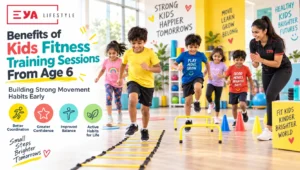
Structured kids training in Noida combines coordination, balance, mobility, bodyweight strength, stamina, and playful movement challenges. It gives children structured physical activity rather than adult-style exercise.
Zumba Fitness
Zumba classes in Noida can build coordination, stamina, and full-body activity while keeping sessions fun and energetic for children who enjoy rhythmic movement.
Yoga for Kids
Mobility, flexibility, balance, and body awareness can be introduced in guided yoga classes in Noida. It can also teach children that being active doesn’t have to be fast-paced.
Calisthenics
Age-appropriate callisthenics classes in Noida can help kids feel strength through their own bodyweight. Crawling patterns, balance work, and controlled movements can gradually build stability and confidence in movement.
Functional Movement
As kids get comfortable with basic patterns, suitable functional training in Noida can develop movements like squatting, reaching, changing direction, and controlled bodyweight activity that connect with everyday life and sport.
What Does an Active Lifestyle Give Growing Kids?
An active lifestyle for kids isn’t about filling every free hour with organised fitness. It’s about creating enough chances for kids to use, understand, and develop their bodies.
Regular movement activities for kids can support:
- Coordination and balance
- Age-appropriate strength
- Stamina and endurance
- Movement confidence
- Body awareness
- Participation in play and sport
- A more consistent active routine
Most importantly, healthy habits developed early can help children feel comfortable with movement rather than having to push their way into a sedentary lifestyle later in life.
When Should Parents Consider Guided Kids Fitness?
Some children are active on their own throughout the day, others require a little more organisation or encouragement.
Guided fitness may be worth looking into when:
- A child sits for long stretches
- Outdoor play has become limited
- They hold back during physical activities
- They want to improve coordination or strength
- They are interested in learning new movement skills
- Parents want more consistency in their weekly routine
For kids who benefit from greater individual attention, age-appropriate Personal Training in Noida can also offer a more personalised progression based on current ability and movement confidence.
Building Healthy Families at EYA Lifestyle
At EYA Lifestyle, we believe movement habits can start early and grow with the family.
We created a Wellness Studio in Noida that combines children’s fitness, yoga, Zumba, callisthenics, personalised movement, and family fitness, allowing children to explore movement beyond the traditional definition of exercise.
Parents don’t have to insist on fitness; they can start the process by making health visible, accessible, and fun.
Conclusion
There’s no need for rigid exercise regimes in an active lifestyle for kids. This can start with a mother deciding to move on to a family having active time together or a child discovering an activity they really enjoy.
These little moments can add up to healthy family routines that children can keep as they get older.
At EYA Lifestyle, our Movement and Wellness Centre in Noida helps families introduce movement through guided kids programs and different fitness disciplines designed around individual needs.
Join Kids Training in Noida at EYA Lifestyle today and help your child to build a solid base for a healthier, stronger, and more active lifestyle.
FAQs
1. How can Parents encourage kids to become more active?
Set a good example, build physical activity into family activities, offer a variety of options, and emphasise enjoyment and improvement instead of forcing exercise.
2. Does an active lifestyle mean children need daily workouts?
No. Kids’ physical activity can include structured fitness, outdoor play, walking, sports, and other age-appropriate activities throughout the week.
3. Which fitness activities are suitable for children?
Children can try kids fitness training, yoga, Zumba, bodyweight exercises, callisthenics, and other movement classes depending on their age and ability.
4. How can parents reduce sedentary time without constantly restricting screens?
Create alternatives rather than relying only on restrictions scheduled activity, outdoor time, movement breaks, and active family plans can help balance sedentary routines.
5. Can mothers train alongside their children?
Yes. Family activities, shared movement sessions, and suitable dual or group formats can make fitness a positive shared experience while helping children see healthy habits in action.